Apple Tree Solar - PACE Community Portal

Pathfinder Clean Energy (PACE) has brought forward a proposal for Apple Tree Solar, with battery energy storage, on land at Gray’s Lane.
As you may know, the Intergovernmental Panel on Climate Change (IPCC) recently issued stark warnings of increasingly extreme heatwaves, droughts and flooding, and a key temperature limit being broken in just over a decade if urgent action isn’t taken.
The recent COP26 climate talks recognised that the 2020s are the key decade for taking action to keep global temperatures within 1.5 degrees. In response, the Government has committed to a target of “net zero carbon emissions” and a transition away from fossil fuels for energy supply in little more than a decade. Suffolk Council have set a target in their Climate Emergency Plan to be carbon neutral by 2030.
Solar and battery farms, such as that proposed at Gray’s Lane, are a key part of tackling the climate emergency, delivering Suffolk’s challenging carbon neutrality target and will form the backbone of the new zero-carbon energy system.
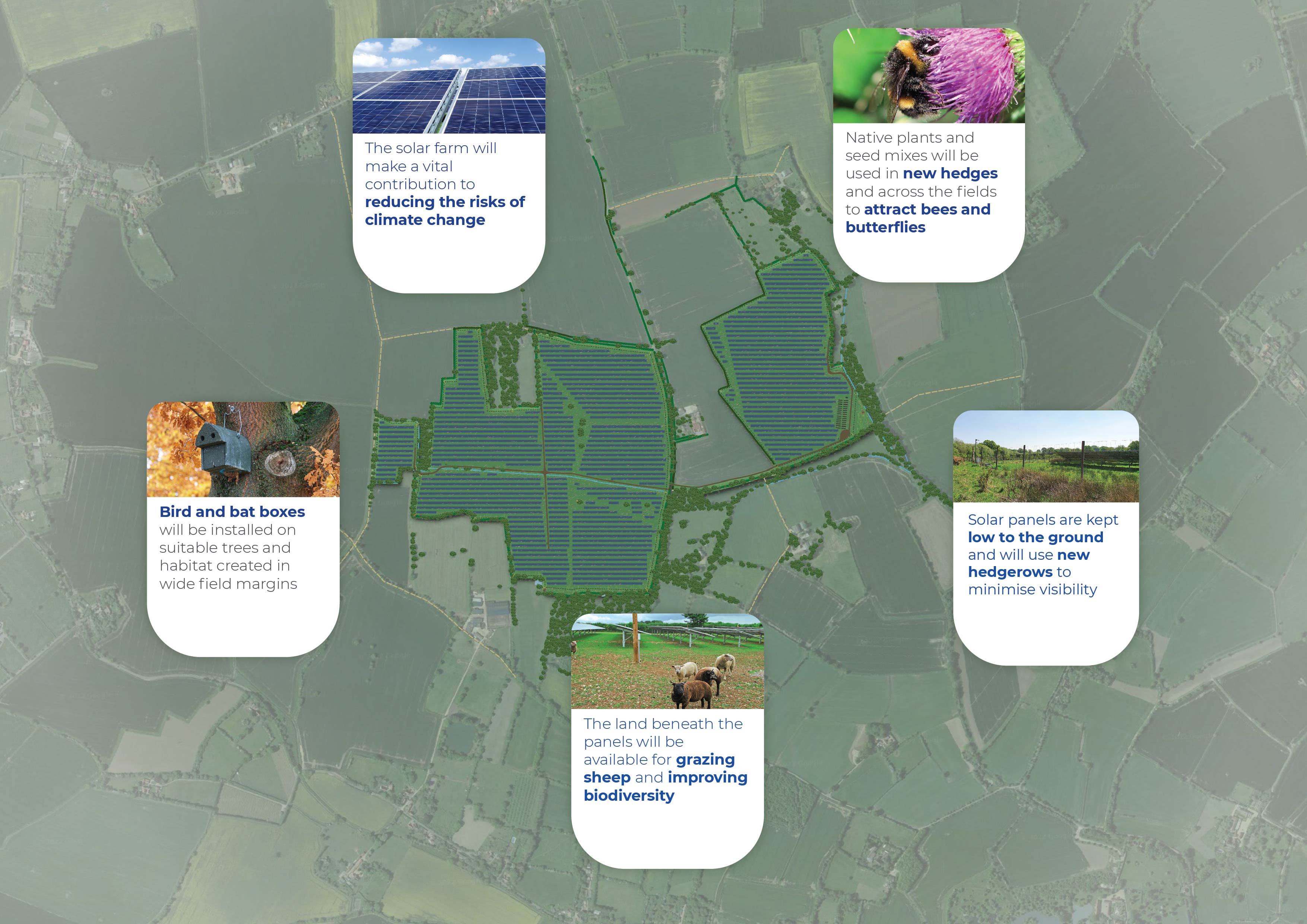
This website contains details of our proposals, but in summary:
Several sites were considered in the area. This site was selected as having few environmental constraints, including ecology and heritage.
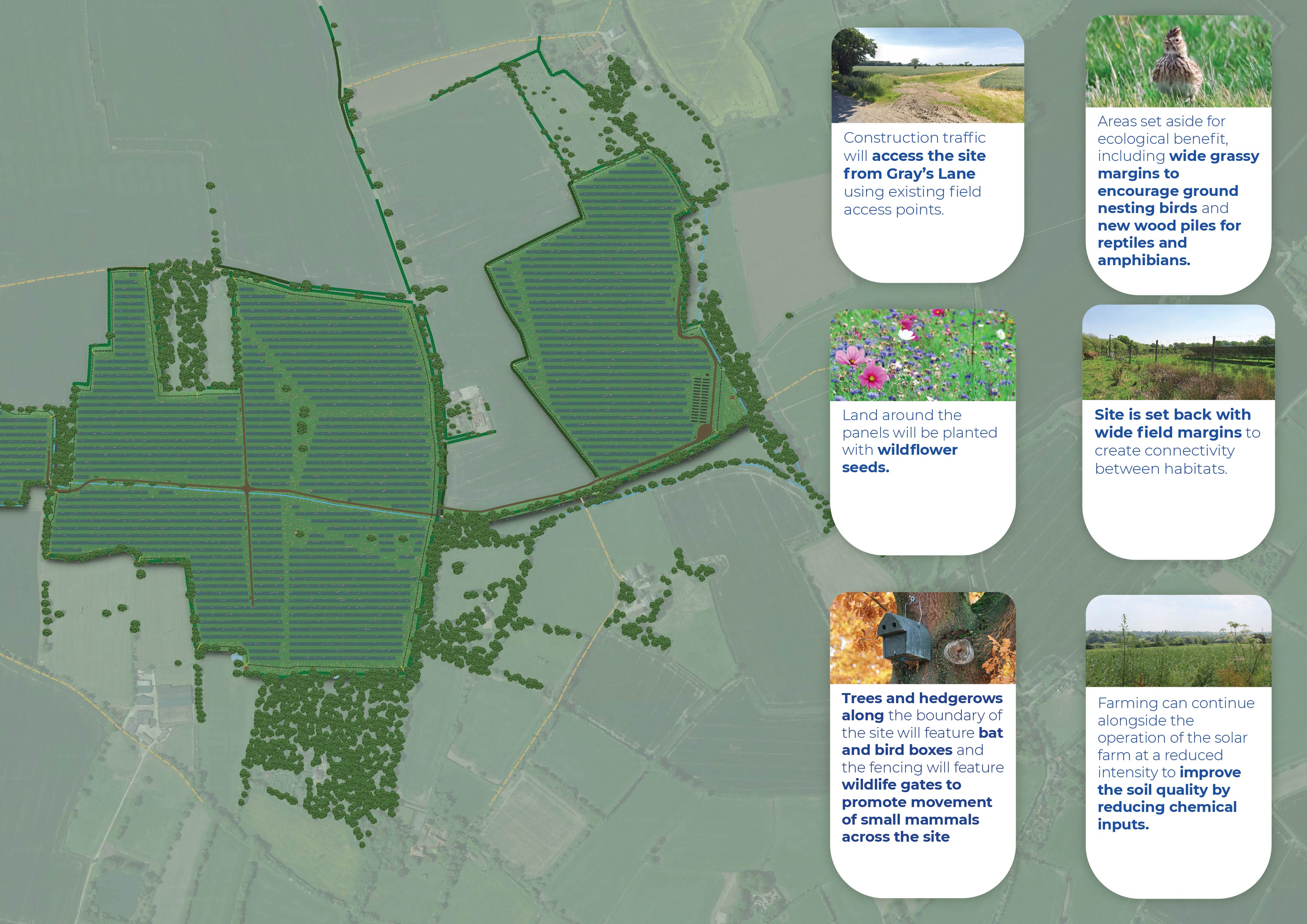
The size of the site presents significant opportunities for biodiversity improvements, including creating new habitats for birds and insects. It will not be necessary to remove any trees or hedges and the land beneath the panels will be available for grazing livestock as well as biodiversity improvements.
Construction traffic will access the site from the existing field entrance on Gray’s Lane. The short construction period means that any disturbance to residents will be kept to a minimum.
As a result, PACE believes the proposed development would be in keeping with the character of the area and would make a vital contribution to reducing the risks of climate change.

Pathfinder Clean Energy brings together experience from the development, construction and operation of over 1GW of clean energy projects. This allows us to bring the latest best practices, technical solutions and innovation to our projects.
PACE is headquartered in the UK and is committed to a sustainable future. We are working to create low-carbon energy to the benefit of the environment and the community. Recent consented projects have included:
Our team includes ecologists, landscape consultants and heritage specialists who help us to create environmentally friendly solar farms.
We would welcome suggestions from you as to how we can improve our project.
Solar farms are becoming a common feature in the British landscape. They use photovoltaic (PV) panels to generate energy from daylight and distribute it to homes and businesses. Batteries store excess energy produced during the day for use at times of high demand, thereby helping to reduce the risk of power cuts.
They are necessary because coal power stations are closing and climate change commitments require big increases in renewable energy. The Government’s advisor, the Committee for Climate Change, has identified a need to deploy 54,000MW of solar by 2035 to keep on track to deliver net zero by 2050.
Solar farms help reduce our reliance on imported fossil fuels, helping to improve the UK’s energy security. This is particularly important as the demand for electricity for electric vehicles and heating grows.
No harmful greenhouse gas emissions are produced. The batteries use similar technology to mobile phones and laptops.
The development will generate very little noise and will not be heard outside of the site.
At the end of its 40 year operational life, the site will be completely restored.
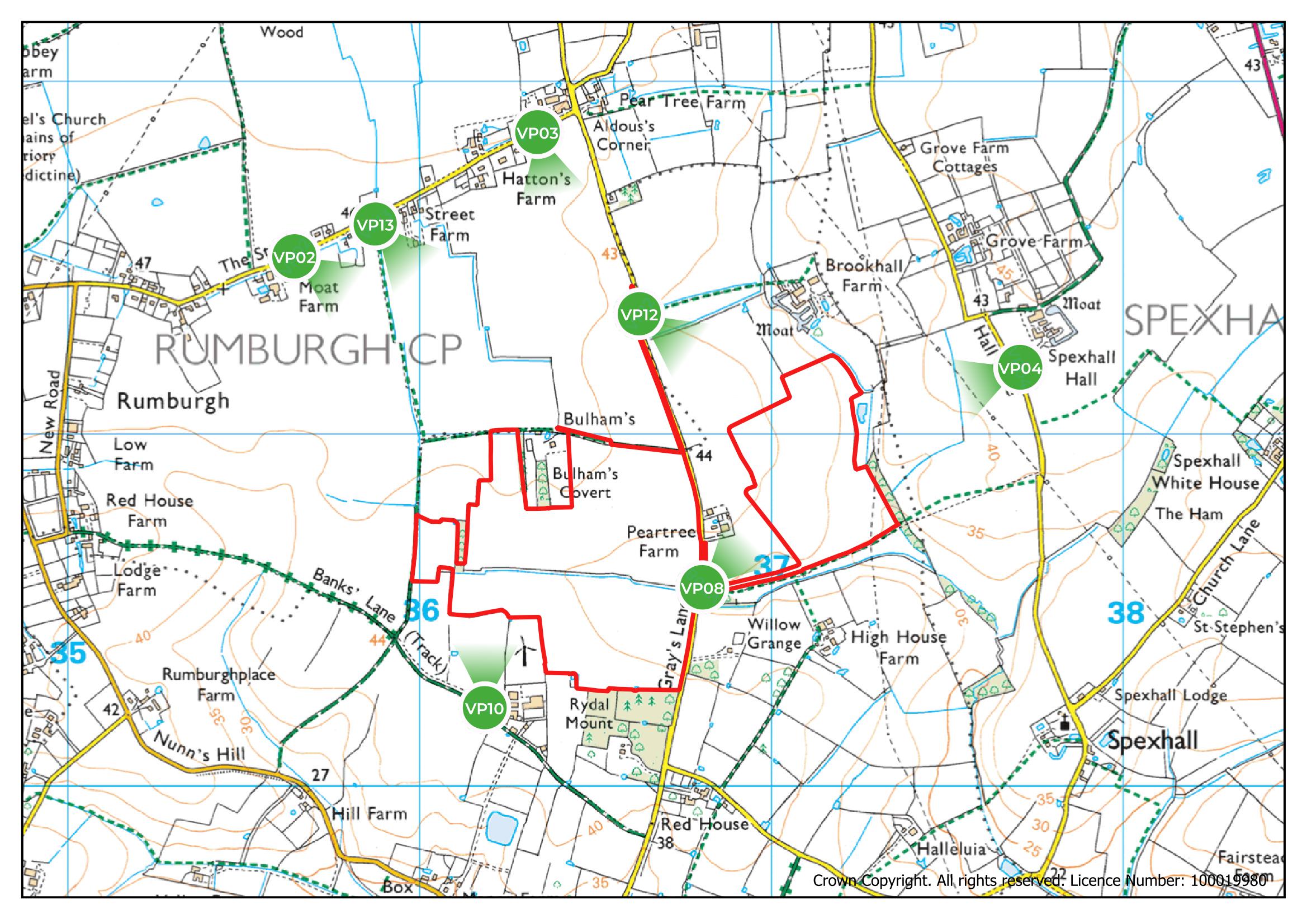
The proposed solar farm is located on land off Gray’s Lane, IP19 0JR. The village of Wissett is around 1km to the south.
The PV arrays will be ground mounted in south facing rows, while the batteries will be housed in containers. Neither will exceed 3m in height.
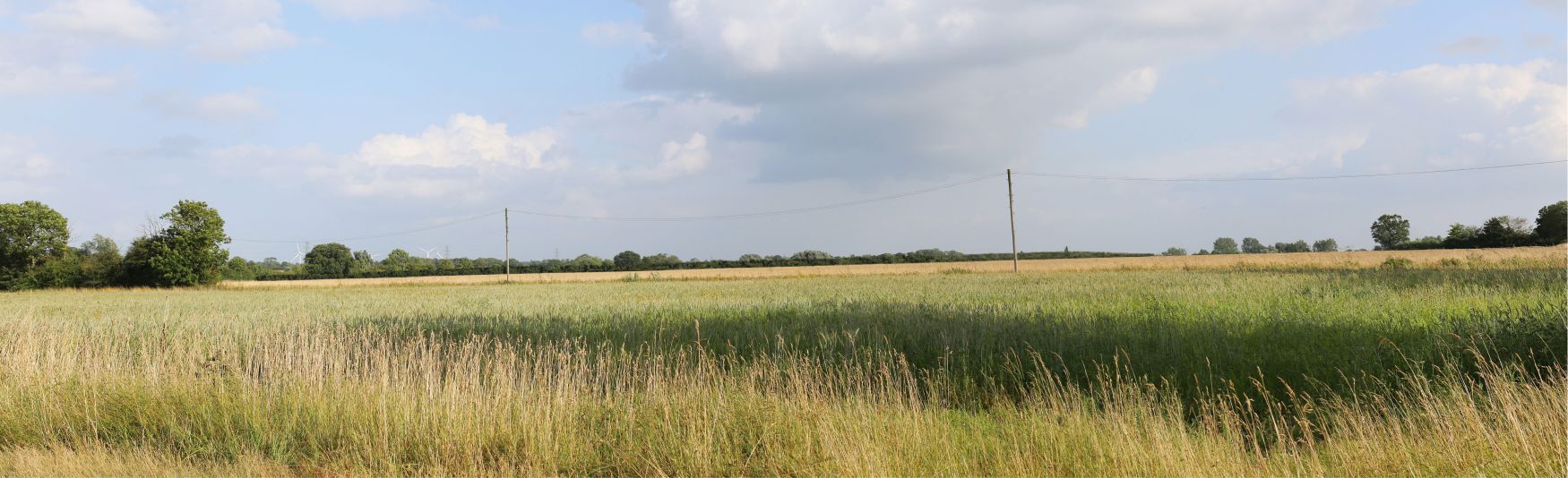
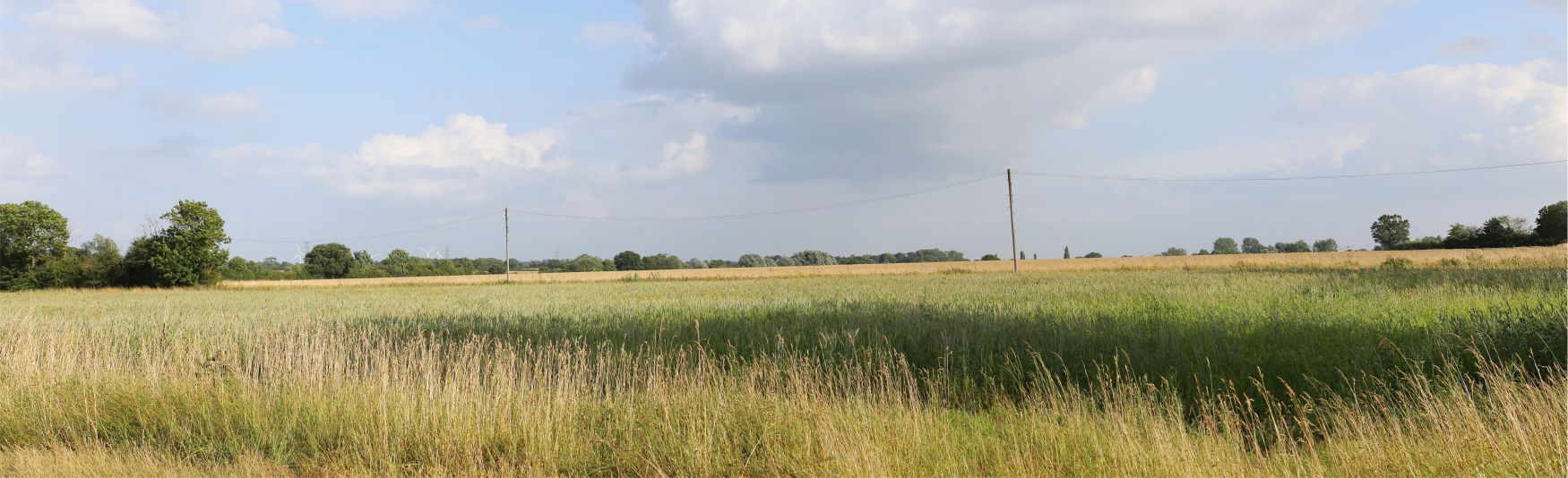
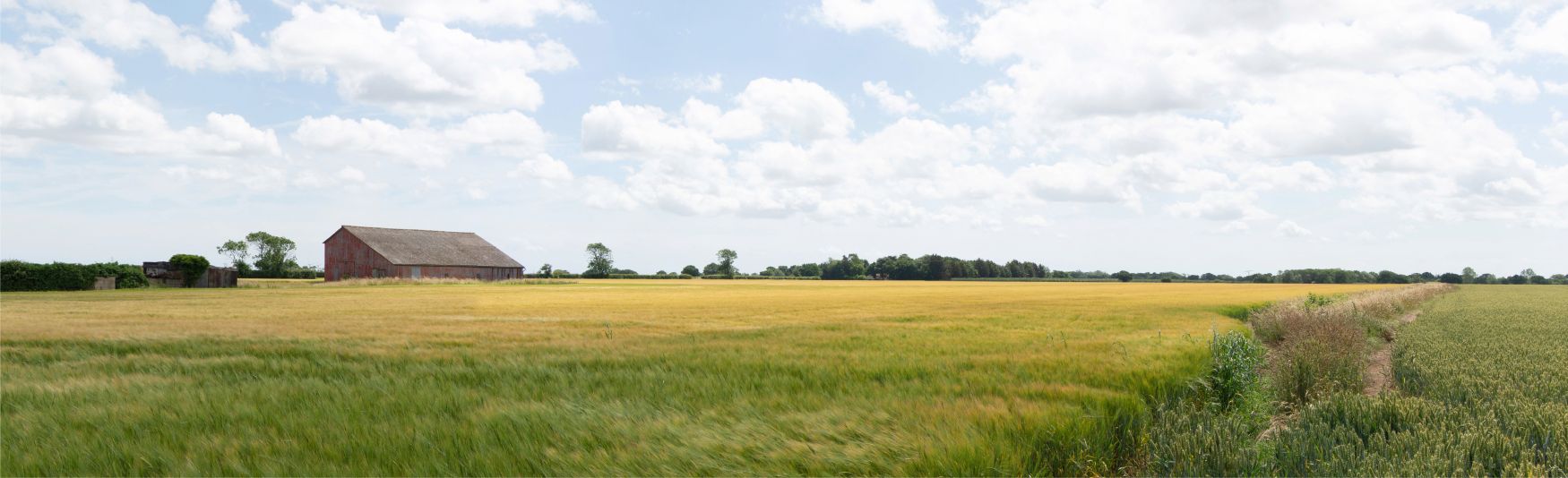
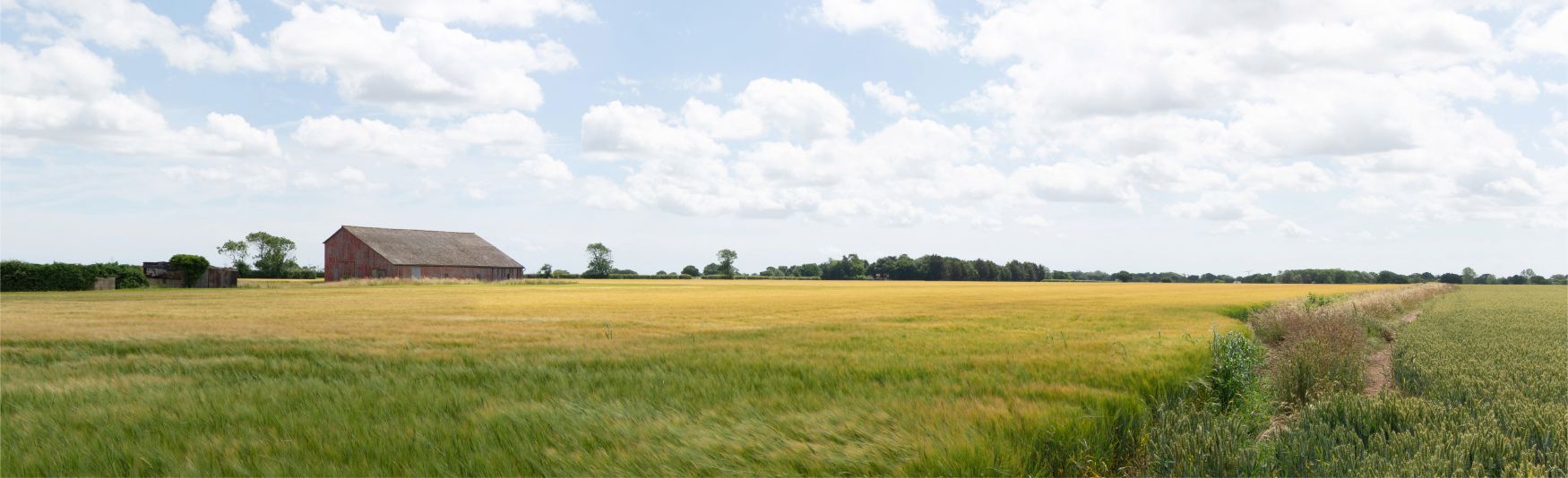
Existing hedges and trees, and the local topography, means that the development will not be visible from Wissett. Proposed and existing hedging along Gray’s Lane will limit visibility from road users and prevent glint and glare.
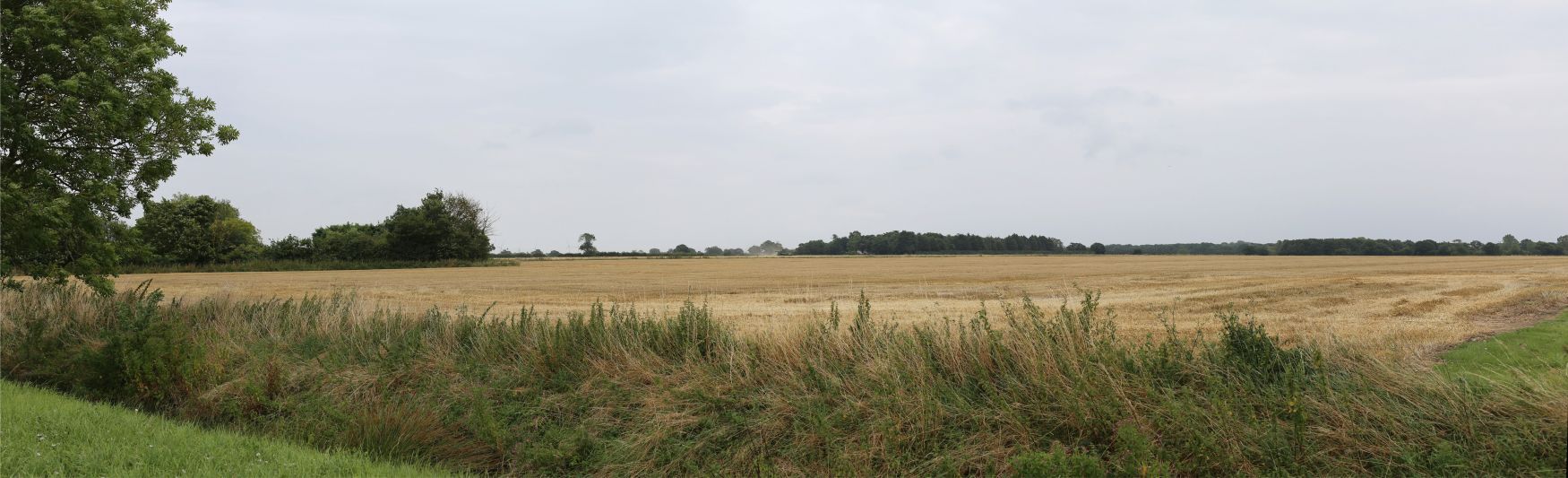
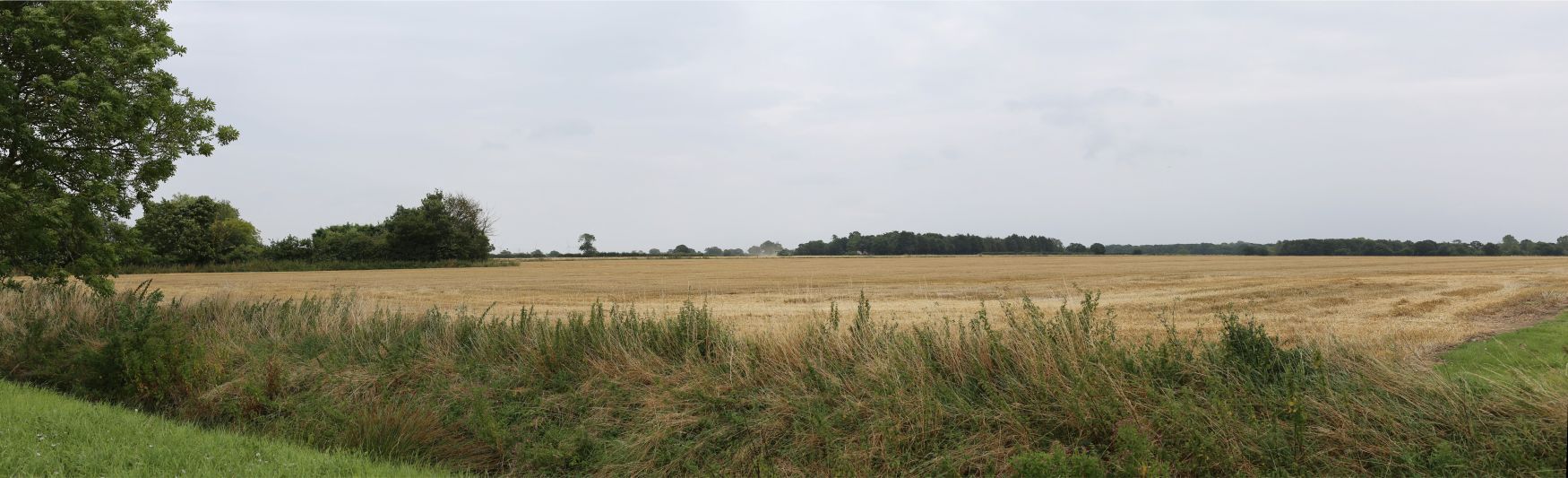
Below are a selection of computer generated images prepared by PACE to illustrate what the solar farm will look like. Use the slider below to see a recent photograph before (left) and expected view after development (right).
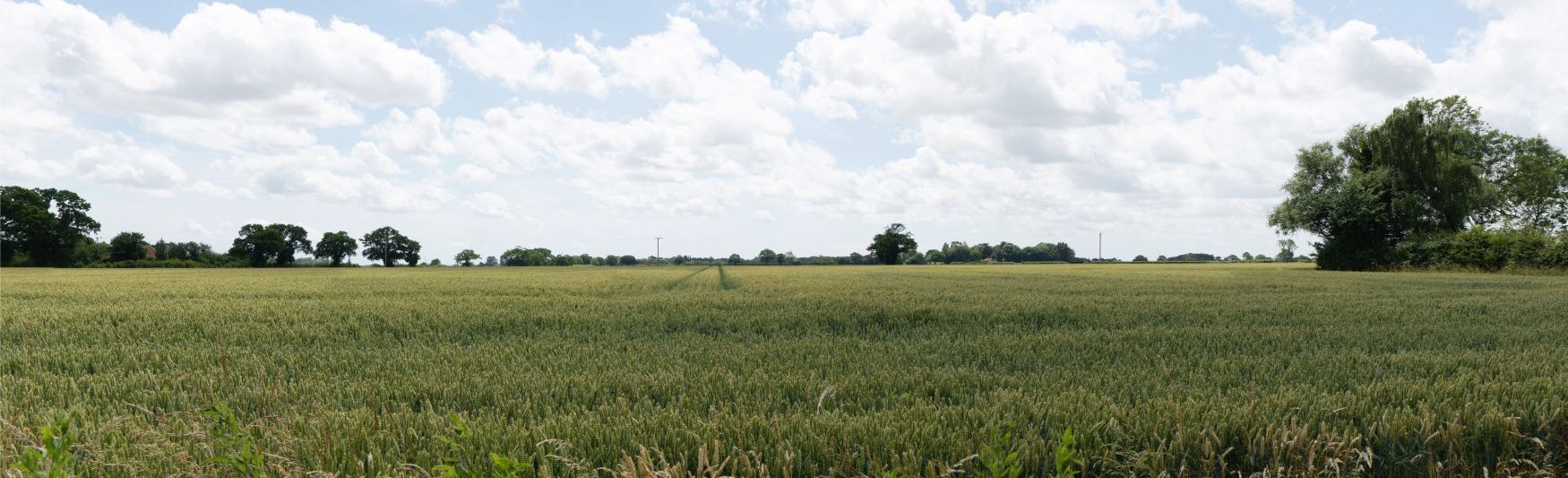
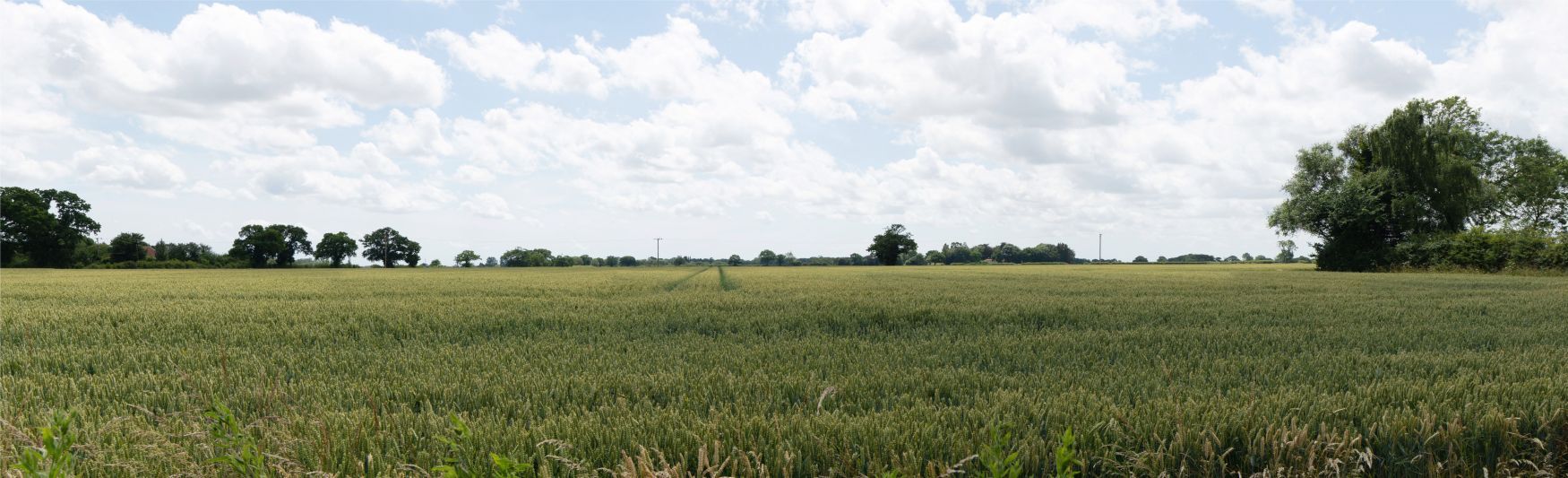
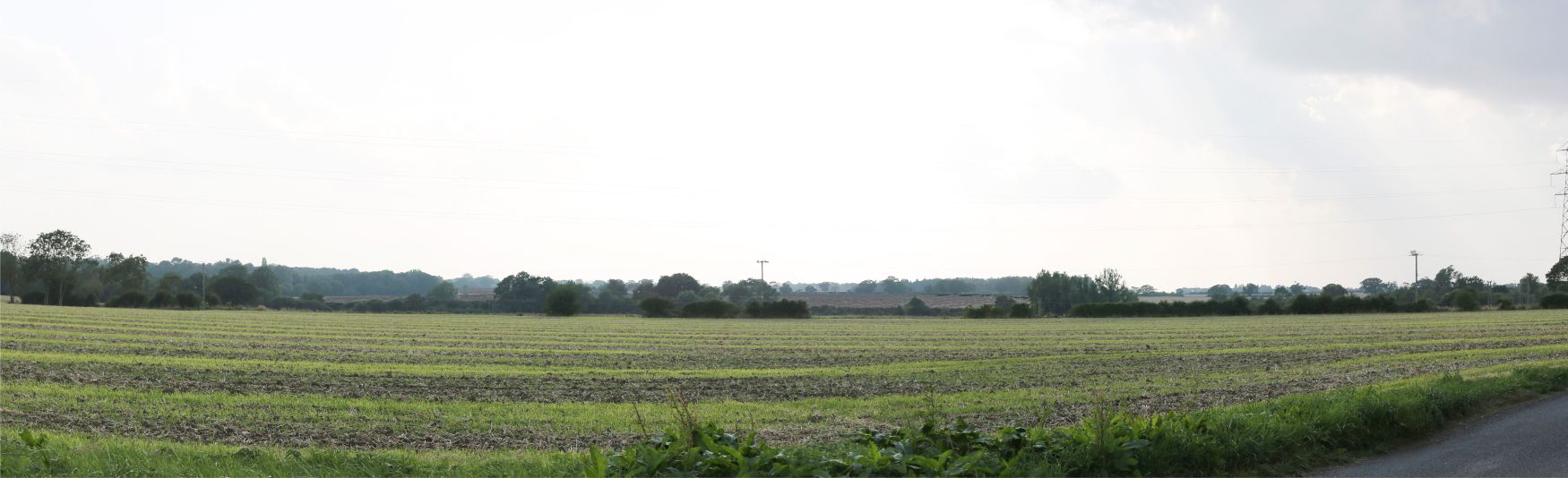
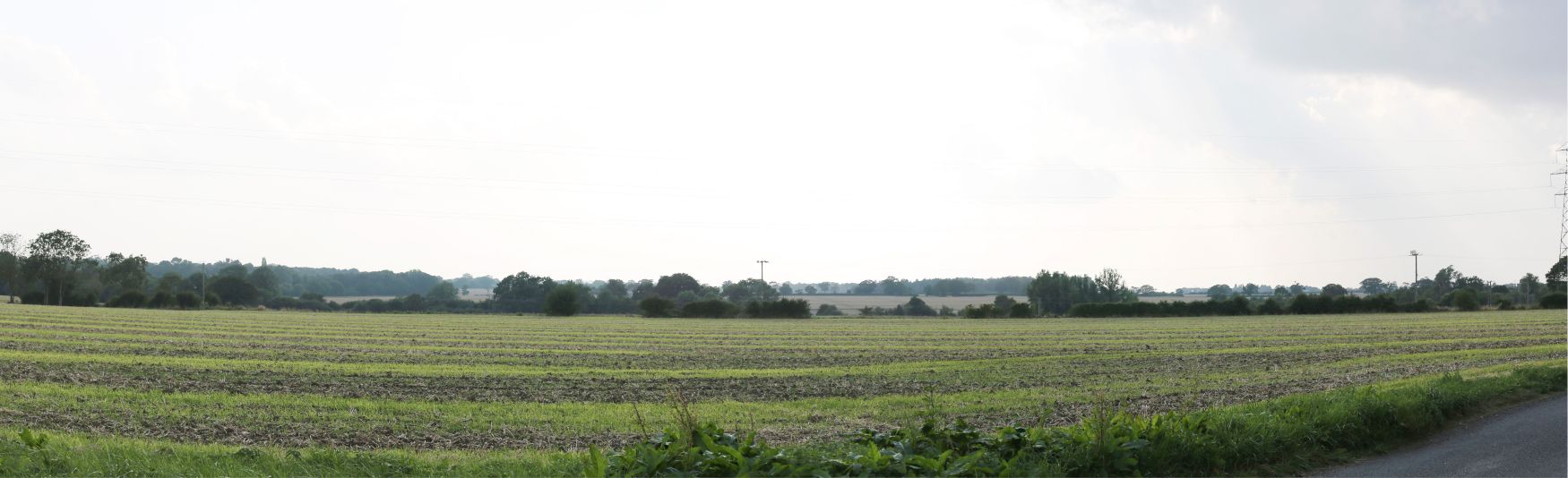
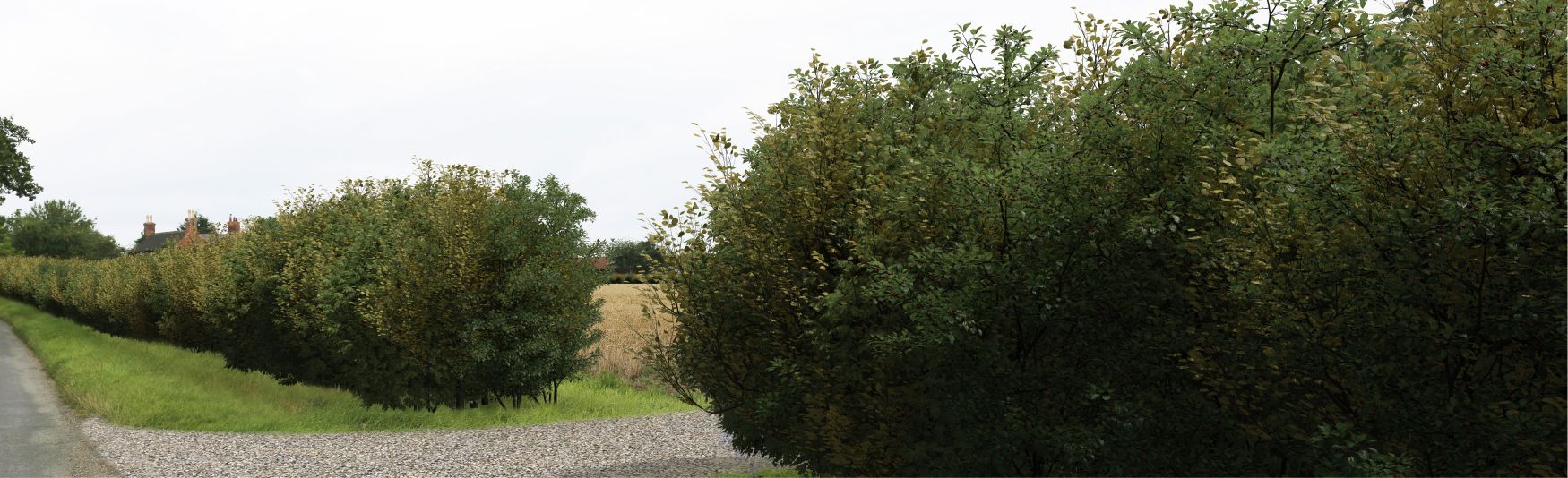
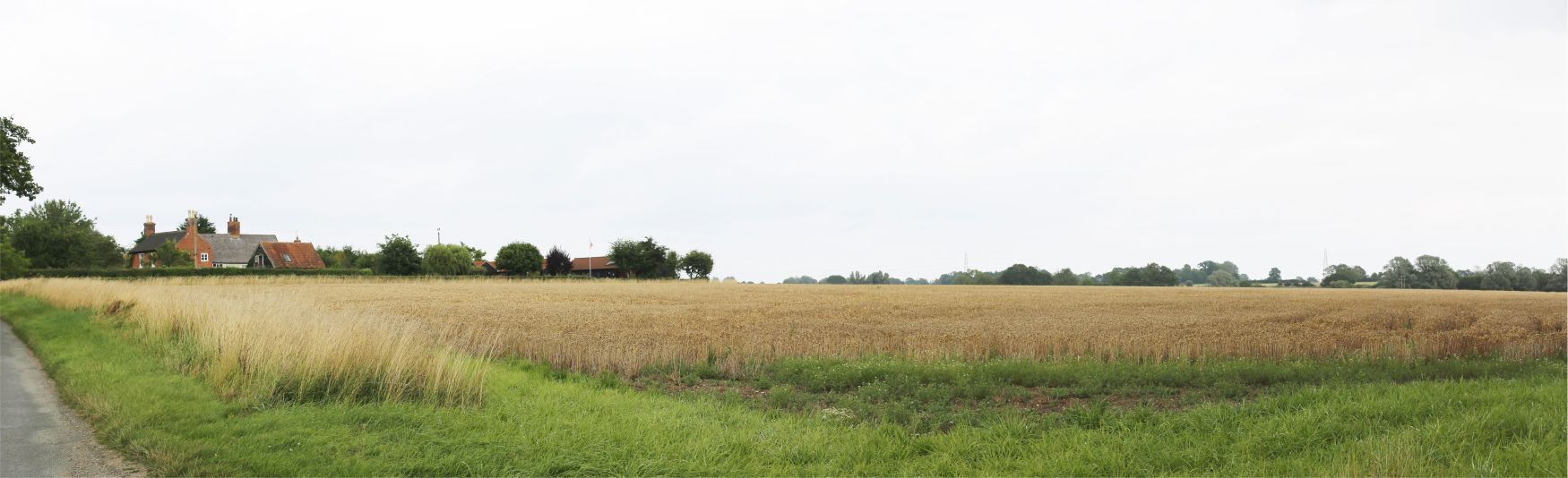
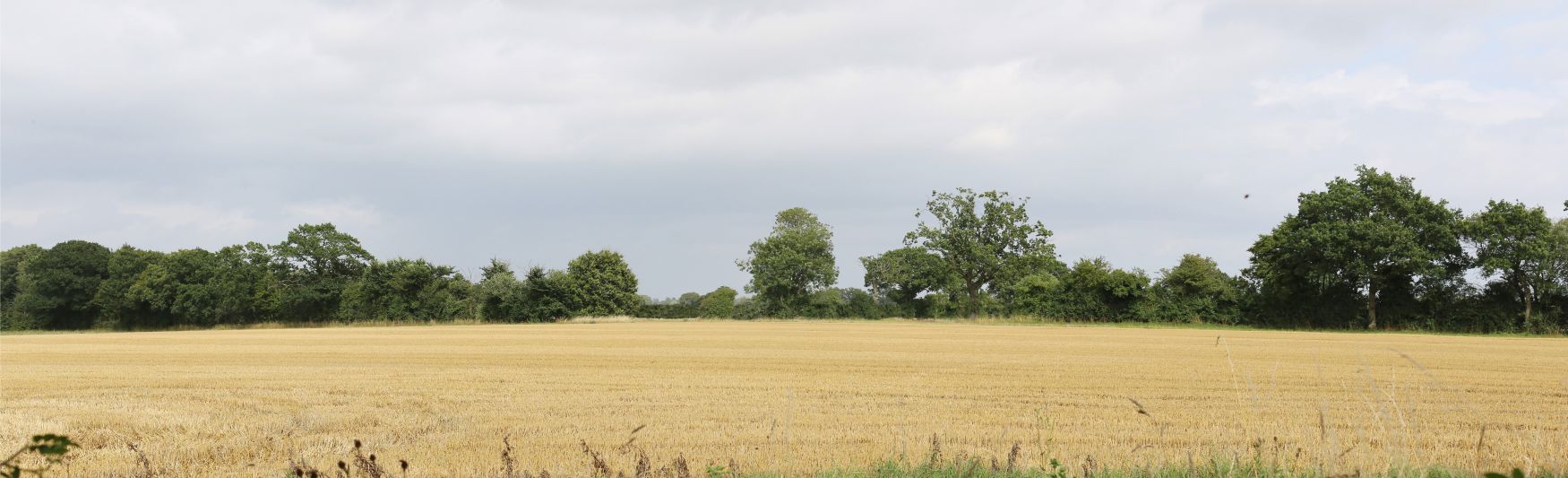
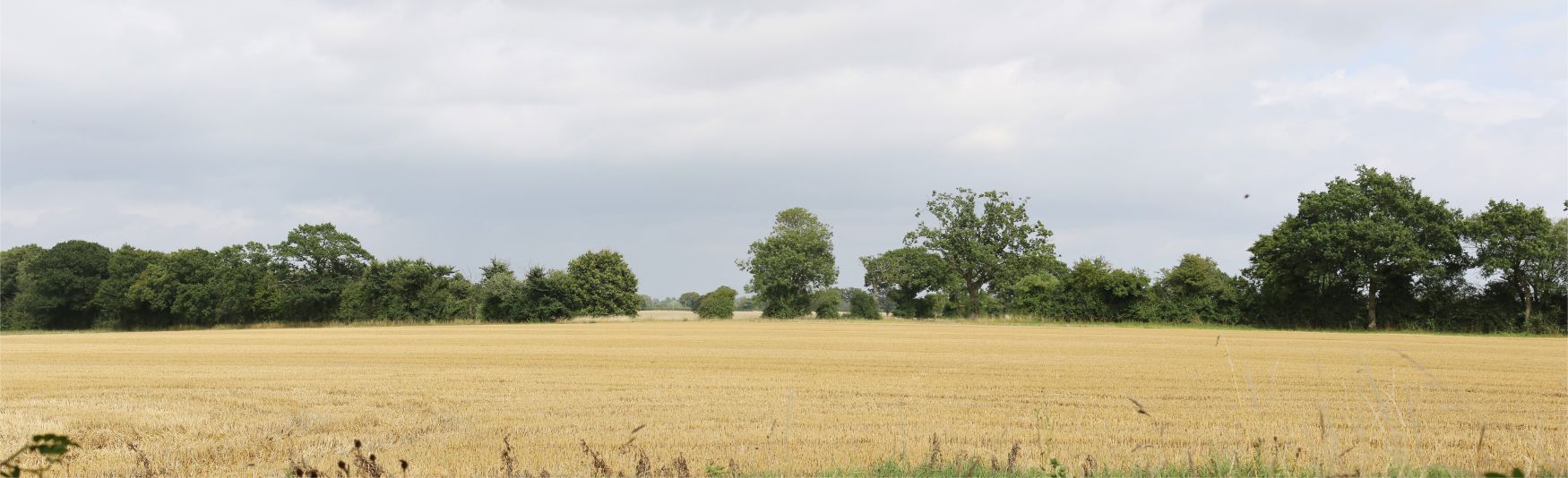
Once operational, solar farms generate almost no traffic. The construction period will last approximately 26-30 weeks.
The proposal is for construction traffic to approach the site from the A144 and Wissett Road, accessing the site from existing field access points off Gray’s Lane. No construction traffic will pass through Rumburgh or Spexhall.
The development will be connected to the electricity grid on site and so no new overhead cables will be required.
During construction, there may be some noise on some days. This won’t last long and our aim is to keep it to a minimum. Before development, we will agree to on restrictions on working hours.
A management plan will be agreed upon with the Council in advance, which will include details of how you can contact us in the event of a problem.
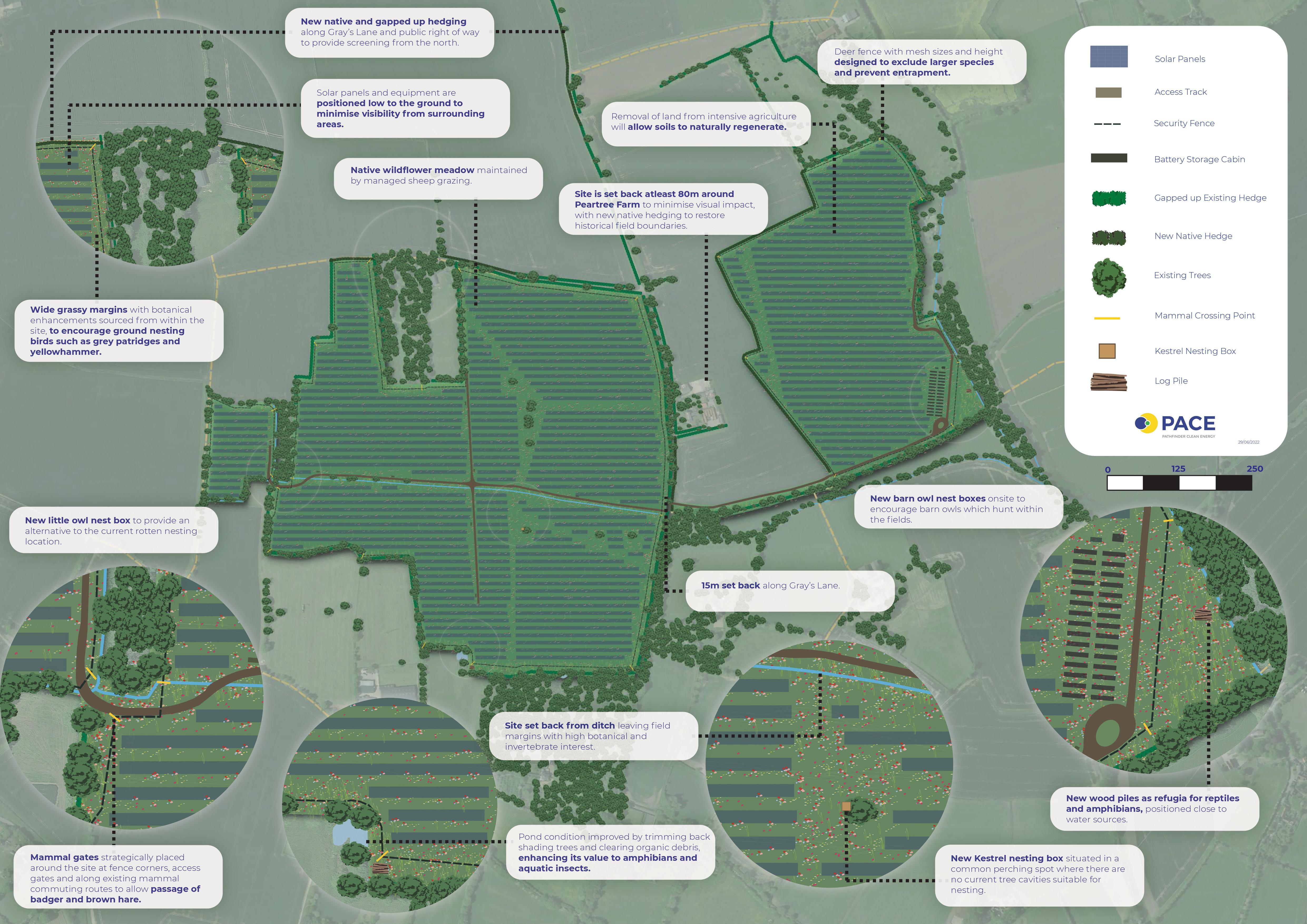 Click the image to enlarge, or download a high-res version here.
Apple Tree Solar farm will have the capacity to generate up to 27 megawatts of clean, renewable energy which will power the equivalent of over 11,500 households each year.
Battery storage will also provide power at times of high demand.
Solar power has become one of the most cost-effective energy sources available. Therefore, it will be built without public subsidies.
Solar farms take up a very small proportion of the land they occupy, leaving huge scope for biodiversity. Research has shown they improve the diversity and abundance of broad-leaved plants, grasses, butterflies, bumblebees and birds, including those with conservation status. Details of the enhancements we will provide can be found in the graphic, and we would welcome your comments on this.
Agricultural land will not be lost. Small livestock, such as sheep, can graze under and around the solar panels during operation, providing a dual benefit of agriculture and energy generation. The reduction in intensive agriculture and chemical fertilisers will naturally improve the quality of the soils, leaving them in a better condition at the end of the life of the solar farm.
The rapid construction time provides faster access to renewable power and lowers the nation’s carbon footprint, without creating harmful emissions or noise outside of the solar farm.
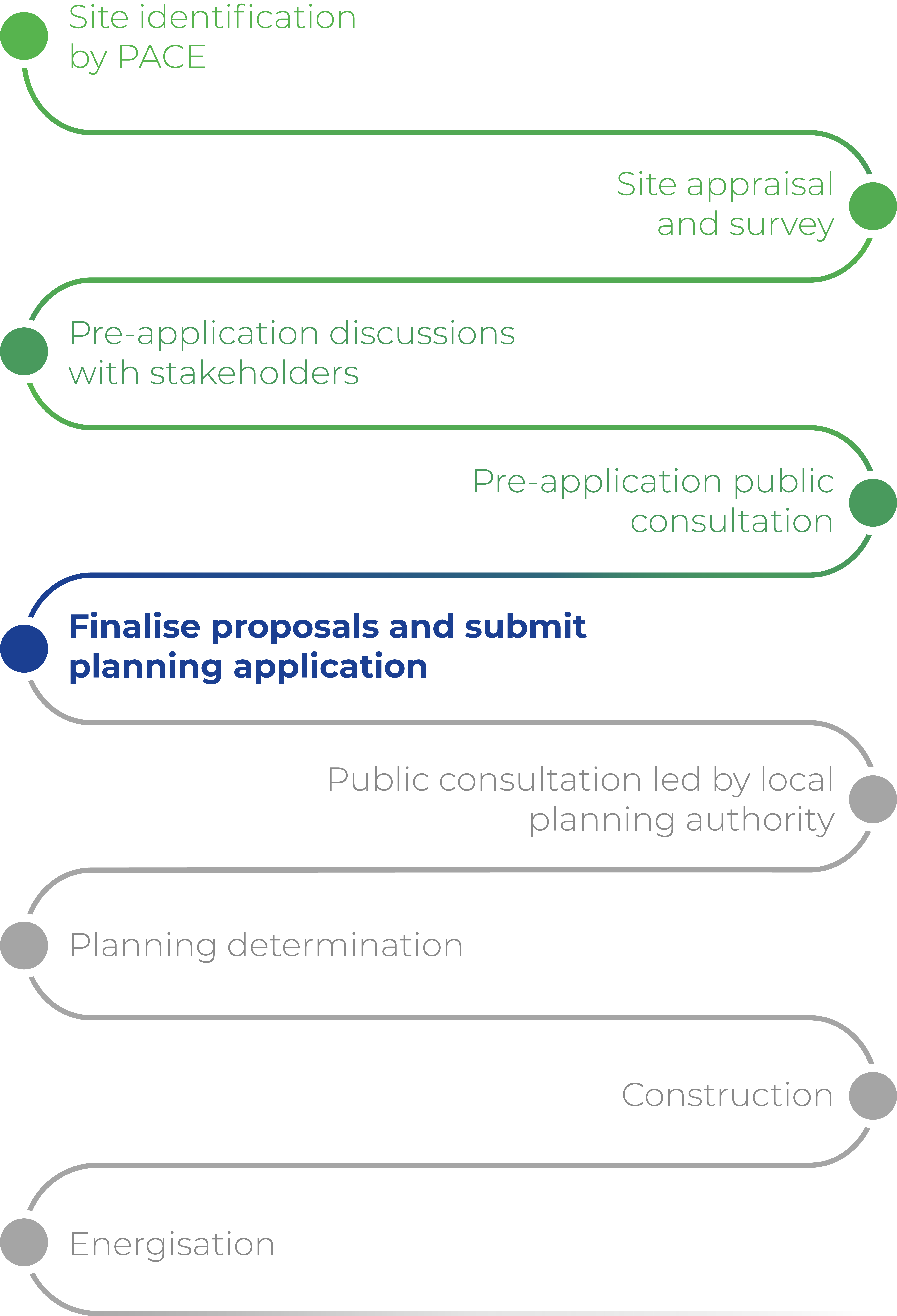
Engaging with the community is important to us and we welcome your feedback on our proposals, along with any suggestions you might have to improve them. Please fill out our survey here.
Following a review of the initial feedback, we have evolved our project plans and have now submitted a planning application to East Suffolk Council.
If approved, further design and management details usually need to be agreed upon before we can start building, such as construction management and ecological management plans.
PACE will then construct the solar farm. Most deliveries are completed in the first six weeks of a construction period that usually lasts 26-30 weeks.
We have commissioned a comprehensive set of surveys to help determine the site area and layout, so that impacts on residents can be minimised, and to identify opportunities for improving the proposals.
The surveys include:
We welcome you to take our short survey here. Alternatively, you can email us at communityrelations@appletreesolar.co.uk or give us a call on 0800 3777 348 and we can arrange for someone to call you back.